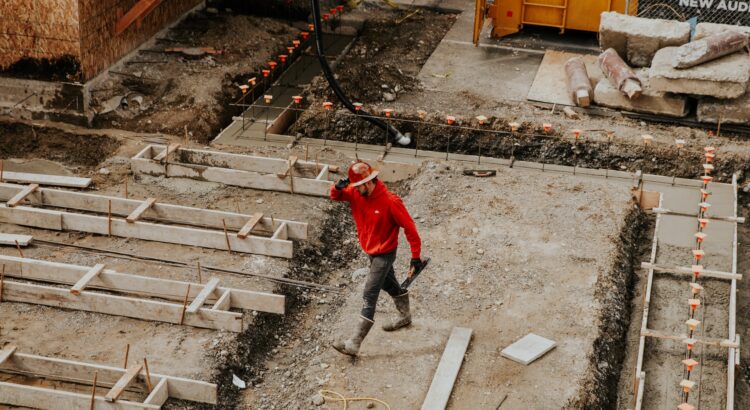
When it comes to construction projects, the role of a general contractor is pivotal. These professionals oversee the planning, coordination, and execution of projects, ensuring they are completed successfully. However, the world of general contracting is not monolithic; it’s divided into two major segments: residential and commercial contracting.
Residential General Contracting
- Scope of Residential Projects
Residential general contracting primarily encompasses projects related to individual homes. This category includes construction or renovation of single-family homes, townhouses, apartments, and other residential structures. These projects vary widely in scale, from minor remodeling to complete home construction.
- Clients and Stakeholders
In residential contracting, the primary clients are homeowners. These clients often have a personal and emotional investment in the project, as their homes are at the center of it all. Additionally, residential contractors may work with home builders who are constructing spec homes or custom residences.
- Regulatory Considerations
Residential projects are subject to local building codes and zoning laws, which vary from one municipality to another. Contractors must be well-versed in these regulations to ensure compliance and a smooth construction process.
- Project Timeline
Residential projects typically have shorter timelines compared to their commercial counterparts. The timeline may also be influenced by seasons and weather conditions, making scheduling a crucial aspect of residential contracting.
Commercial General Contracting
- Scope of Commercial Projects
Commercial general contracting focuses on projects related to non-residential structures, such as office buildings, retail spaces, warehouses, and industrial complexes. These projects are generally larger and more complex than residential ones.
- Clients and Stakeholders
Business owners and developers are the primary clients in the commercial contracting sector. Projects often involve multiple stakeholders, including architects, engineers, and property managers. Decision-making in commercial projects is often more complex due to the involvement of various parties.
- Regulatory Considerations
Commercial contractors face a myriad of regulatory considerations, including compliance with the Americans with Disabilities Act (ADA), environmental regulations, and zoning laws. These regulations are more stringent and extensive than those in residential construction.
- Project Timeline
Commercial projects typically have longer timelines due to their complexity and the coordination required among various stakeholders. Delays are common, making project management skills crucial in this sector.
Key Differences Between Residential and Commercial General Contracting
- Design Complexity
Residential projects emphasize aesthetics and comfort, reflecting the homeowner’s preferences. Commercial projects prioritize functionality, efficiency, and compliance with industry standards.
- Regulatory Requirements
While residential contractors primarily deal with local building codes and zoning laws, commercial contractors face a more extensive web of regulations, including ADA compliance and environmental considerations.
- Skills and Expertise Required
Residential contractors must excel in carpentry, construction, and customer service. Commercial contractors need strong project management and coordination skills, along with in-depth knowledge of commercial regulations.
- Challenges and Considerations
Residential contractors must manage homeowners’ preferences and navigate local zoning restrictions. Commercial contractors face the challenge of coordinating multiple stakeholders and ensuring compliance with complex regulations.
- Cost Factors
Residential project costs are influenced by materials, labor, and customization options. Commercial project costs are driven by scale, complexity, and the expenses associated with regulatory compliance.
Conclusion
Understanding the key differences between these two sectors is essential for property owners seeking construction services. Whether you’re drawn to the personalized nature of residential contracting or the complexities of commercial projects, a well-informed choice will set you on the path to success in the contracting industry.